
Nitrogen Generation Package by PSA Technology: Principles, Installation, Benefits, and Industrial Applications
Introduction
Energy efficiency, product quality, and supply chain reliability have become increasingly critical factors in maintaining competitiveness across global markets. Industries are steadily shifting toward advanced on-site gas production technologies capable of delivering greater control, flexibility, and long-term economic value compared to conventional bulk gas supply methods. Among these technologies, PSA-based nitrogen generation packages have emerged as one of the most efficient and strategically important solutions for producing high-purity nitrogen directly from ambient air, enabling manufacturing facilities to reduce dependency on external gas suppliers while simultaneously improving operational reliability, lowering transportation-related risks, and minimizing overall operating costs.
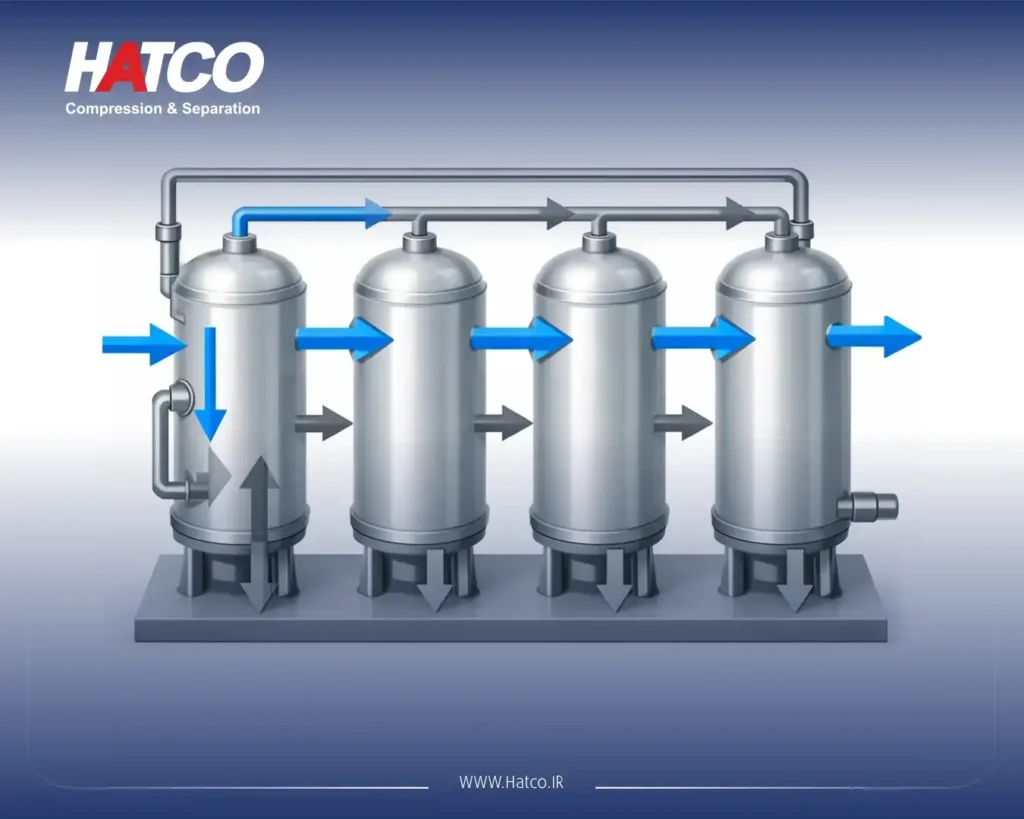
As industrial sectors such as food and beverage processing, pharmaceuticals, electronics manufacturing, chemical production, oil and gas operations, and metal fabrication continue to demand increasingly stable and uninterrupted nitrogen supplies for critical applications including inerting, blanketing, packaging, purging, oxidation prevention, and process protection, the importance of reliable nitrogen generation infrastructure has grown substantially, particularly in an era characterized by fluctuating energy prices, logistical uncertainties, environmental regulations, and growing pressure to implement more sustainable and energy-efficient production practices.
A modern PSA nitrogen generation package represents far more than a simple utility system, as it integrates a highly sophisticated combination of compressed air treatment technologies, advanced adsorption vessels, intelligent automation systems, precision monitoring instrumentation, and energy optimization mechanisms designed to separate nitrogen molecules from atmospheric air with exceptional efficiency and purity, thereby allowing industrial facilities to generate nitrogen on demand according to their exact operational requirements without the limitations traditionally associated with high-pressure cylinders or cryogenic liquid nitrogen deliveries.
At the core of this technology lies the Pressure Swing Adsorption process, a highly engineered separation method in which compressed air passes through specialized Carbon Molecular Sieve adsorbents that selectively capture oxygen, moisture, carbon dioxide, and other unwanted gases while allowing nitrogen to flow through as the primary product stream, with alternating adsorption and regeneration cycles ensuring continuous operation and stable nitrogen production even under demanding industrial conditions requiring around-the-clock performance, high reliability, and consistent purity levels tailored to the specific requirements of each application.
As industries continue to pursue greater efficiency, automation, sustainability, and operational independence, PSA nitrogen generation technology is increasingly being recognized not only as a cost-saving alternative to traditional gas supply systems but also as a strategic investment capable of supporting long-term industrial resilience, environmental responsibility, and advanced manufacturing performance in an increasingly competitive and resource-conscious global economy.
Once conditioned compressed air reaches the adsorption vessels, the PSA process unfolds through an exceptionally coordinated sequence of pressure equalization, adsorption, depressurization, regeneration, and repressurization phases orchestrated by intelligent control systems incorporating programmable logic controllers, pressure transducers, flow meters, oxygen analyzers, automated switching valves, and remote monitoring interfaces, all of which collectively enable the system to dynamically adjust cycle timing, optimize energy consumption, and maintain stable nitrogen output despite variations in feed air quality or consumption rates, while simultaneously providing operators with comprehensive diagnostic data, predictive maintenance alerts, historical performance analytics, and real-time operational visibility through modern Human Machine Interface (HMI) panels and industrial communication protocols compatible with Industry 4.0 digitalization initiatives and centralized plant automation networks.
The remarkable versatility of PSA nitrogen generation technology is further evidenced by its extensive deployment across an extraordinarily diverse spectrum of industries where nitrogen serves a multitude of indispensable functions, including inerting, blanketing, purging, pressure testing, modified atmosphere packaging, soldering protection, laser cutting assistance, fire prevention, oxidation control, and contamination mitigation, with each application imposing unique purity, pressure, and flow requirements that PSA systems can be precisely configured to satisfy through modular engineering approaches that permit scalable expansion as production demands evolve over time, thereby allowing organizations to avoid the inefficiencies and capital constraints traditionally associated with oversized centralized gas infrastructure or rigid long-term bulk supply contracts that may fail to align with future operational growth trajectories.
Within the food and beverage industry, for instance, PSA nitrogen generation packages have become critically important in preserving product freshness, extending shelf life, preventing oxidative degradation, and maintaining the sensory qualities of packaged goods through modified atmosphere packaging applications in which oxygen displacement significantly inhibits microbial growth and rancidity development, while beverage manufacturers rely extensively on nitrogen for tank blanketing, pressurization, and bottling operations that safeguard product integrity and consistency, all of which underscore the necessity for dependable on-site nitrogen production systems capable of delivering uninterrupted gas supplies without exposing facilities to the logistical complexities, delivery scheduling limitations, and contamination risks associated with externally sourced gas cylinders or cryogenic storage tanks.
Similarly, the electronics and semiconductor manufacturing sectors demand extraordinarily high-purity nitrogen environments to prevent oxidation and microscopic contamination during delicate fabrication processes such as wave soldering, reflow soldering, integrated circuit manufacturing, and surface mount technology assembly, where even trace levels of oxygen or moisture can compromise product reliability, reduce yield rates, and generate substantial financial losses due to defective components, thereby making PSA nitrogen generation systems equipped with ultra-high-purity configurations, redundant safety mechanisms, and precision monitoring instrumentation indispensable assets within advanced manufacturing facilities seeking to maintain stringent quality control standards and maximize process stability in highly competitive global markets.
In pharmaceutical and biotechnology applications, where regulatory compliance, contamination control, and process validation requirements are exceptionally stringent, PSA nitrogen generation packages provide an invaluable source of inert gas for drug formulation, sterile packaging, fermentation support, chemical blanketing, and laboratory operations, enabling manufacturers to maintain tightly controlled production environments while simultaneously reducing dependency on external suppliers whose delivery interruptions could potentially jeopardize critical manufacturing schedules, product integrity, or patient safety, especially in scenarios involving temperature-sensitive biologics, high-value active pharmaceutical ingredients, or continuous production systems operating under Good Manufacturing Practice (GMP) guidelines enforced by international regulatory agencies.
From an economic perspective, the financial rationale supporting investment in PSA nitrogen generation technology is particularly compelling because organizations frequently experience dramatic reductions in operational expenditure following the transition from delivered gas supply models to on-site generation systems, with savings arising not only from the elimination of recurring cylinder rental fees, transportation charges, evaporative losses, and supplier profit margins but also from improved consumption efficiency resulting from immediate production availability and reduced wastage, while the predictability of internally generated nitrogen costs further enhances budgeting accuracy and protects businesses against market volatility, geopolitical disruptions, fuel price fluctuations, and supply chain instability that can otherwise introduce significant uncertainty into industrial operating expenses over the lifespan of a manufacturing facility.
Moreover, the environmental implications of adopting PSA nitrogen generation systems align strongly with global sustainability objectives and corporate Environmental, Social, and Governance (ESG) initiatives because localized gas production dramatically reduces the frequency of transportation-related emissions generated by diesel-powered delivery fleets tasked with transporting heavy cylinders or cryogenic liquid nitrogen tankers across extensive geographic distances, while the energy-efficient design of modern PSA systems, combined with advances in compressor technology, intelligent cycle optimization algorithms, and low-loss air treatment components, contributes to lower overall carbon footprints compared to conventional centralized gas production and distribution models that often involve substantial energy consumption associated with cryogenic liquefaction, long-distance transportation, and storage infrastructure maintenance.
Another increasingly significant advantage associated with PSA nitrogen generation packages lies in their contribution to industrial safety enhancement, particularly when compared to traditional high-pressure gas cylinders and bulk liquid nitrogen storage systems that inherently introduce risks related to transportation accidents, manual handling injuries, cryogenic exposure, vessel overpressure incidents, and catastrophic supply failures, whereas on-site PSA systems minimize many of these hazards through automated operation, reduced physical handling requirements, integrated safety interlocks, oxygen monitoring systems, pressure relief mechanisms, and fail-safe shutdown protocols designed to ensure stable and secure operation even under abnormal process conditions or unexpected utility interruptions.
As industrial technologies continue to evolve toward greater automation, digital connectivity, and sustainability-focused engineering practices, the future development trajectory of PSA nitrogen generation packages is expected to incorporate increasingly sophisticated innovations including artificial intelligence-driven predictive maintenance platforms, cloud-based remote diagnostics, adaptive energy optimization algorithms, advanced adsorbent materials with enhanced selectivity characteristics, hybrid nitrogen generation architectures combining membrane and PSA technologies, and seamless integration with renewable energy systems aimed at further reducing operational costs and environmental impacts, thereby reinforcing the position of PSA nitrogen generation as not merely an auxiliary utility system but rather a cornerstone technology supporting the next generation of intelligent, resilient, and environmentally responsible industrial manufacturing ecosystems worldwide.
Key Components of a Complete PSA Nitrogen Generation Package
A fully integrated PSA nitrogen generation package is far more than just the adsorption towers; it encompasses a comprehensive suite of meticulously engineered components working in seamless harmony, including robust air compressors for initial pressurization, highly efficient air dryers and multi-stage filtration units to remove moisture, oil, particulates, and hydrocarbons that could otherwise degrade the CMS material over time, buffer tanks for stabilizing pressure and flow, nitrogen storage vessels for peak demand management, sophisticated control panels with real-time monitoring capabilities for purity, pressure, and flow rates, as well as safety features such as pressure relief valves and automated shutdown protocols that collectively ensure long-term reliability, minimal maintenance interventions, and compliance with stringent international industry standards across harsh operating environments.
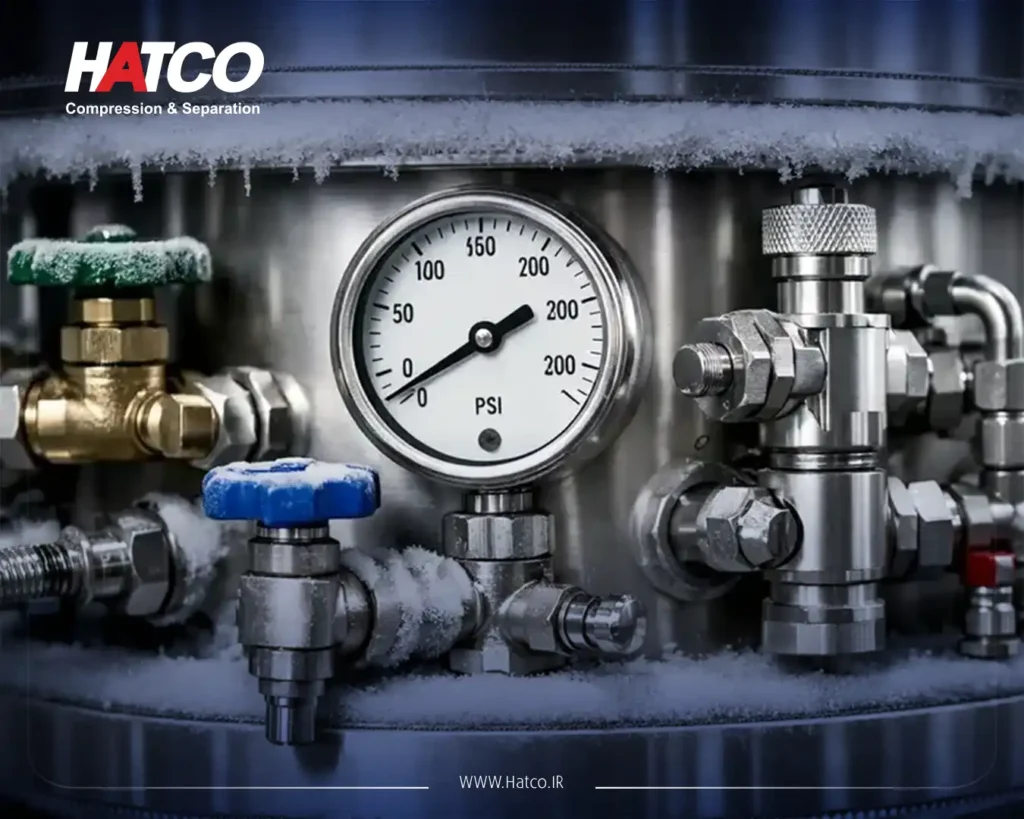
Modern packages often incorporate modular designs that facilitate scalability, allowing facilities to expand capacity incrementally as production needs grow without necessitating complete system overhauls, while energy-efficient features like variable speed drives on compressors and heat recovery options further contribute to lowering the overall specific energy consumption, which typically ranges between 0.3 to 0.6 kWh per normal cubic meter of nitrogen produced, making these systems economically viable even for medium-to-large scale operations that previously relied exclusively on outsourced supplies.
Extensive Applications Across Industries and Operational Advantages
The versatility of PSA nitrogen generation packages renders them indispensable in a multitude of sectors: in the food and beverage industry, for instance, nitrogen is employed extensively for modified atmosphere packaging (MAP) to displace oxygen and thereby extend shelf life, prevent oxidation, and preserve the freshness, flavor, and nutritional integrity of perishable goods such as snacks, meats, dairy products, and ready-to-eat meals; in pharmaceuticals and chemicals, it serves as an inert blanketing gas to safeguard sensitive compounds from degradation, moisture ingress, or explosive risks during synthesis, storage, and transport; in electronics manufacturing, ultra-high purity nitrogen prevents oxidation during soldering, wave soldering, and semiconductor processing, ensuring impeccable product quality and yield rates; while in oil and gas, mining, and laser cutting operations, it finds critical use in purging pipelines, inerting tanks, and providing assist gas for precision cutting that minimizes dross and enhances edge quality.
Beyond these core uses, PSA systems support fire prevention in industrial facilities by reducing oxygen levels in enclosed spaces, enhance tire inflation for extended longevity and fuel efficiency, and enable laboratory applications requiring consistent gas purity for analytical instruments like gas chromatography (GC) and liquid chromatography-mass spectrometry (LC-MS), all while offering unparalleled flexibility in adjusting purity and flow rates on-demand to match fluctuating production schedules without the waste or over-purchasing often associated with bulk deliveries.
Comparative Analysis: PSA Versus Alternative Nitrogen Generation Technologies
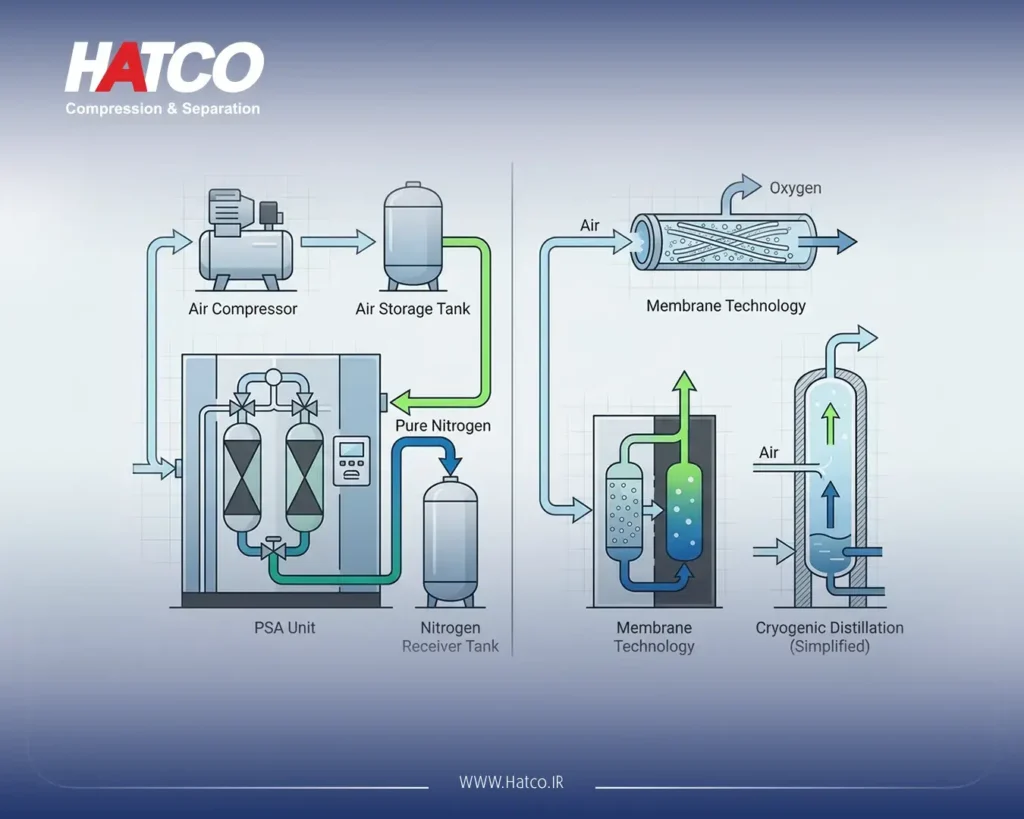
When juxtaposed against membrane separation technology, which relies on selective permeation through hollow-fiber modules and typically achieves purities up to 99.5% with simpler operation and lower upfront costs but potentially higher long-term energy use for equivalent flows, or cryogenic distillation that excels in very large-scale, ultra-pure demands yet requires massive infrastructure, lengthy start-up times, and significantly higher capital and operational expenditures, PSA packages strike an optimal balance for a vast array of applications by delivering superior purity capabilities, rapid start-up (often within 20-30 minutes), excellent turndown ratios for variable demand, and a smaller environmental footprint through on-site production that eliminates transportation emissions and reduces overall energy intensity in many scenarios.
The economic advantages become particularly pronounced over time, as companies transition from paying recurring costs for delivered nitrogen—complete with rental fees, delivery charges, and evaporation losses in cryogenic tanks—to owning their means of production, often realizing return on investment within one to three years depending on consumption volumes, while gaining complete control over supply security, especially vital in remote locations or during periods of global supply chain volatility.
Maintenance, Sustainability, and Future Outlook
Proper maintenance of a PSA nitrogen generation package, which involves periodic replacement of filters, inspection of valves and adsorbents (with CMS boasting lifespans of several years under optimal conditions), and routine sensor calibrations, ensures decades of dependable service with minimal downtime when supported by comprehensive operation and maintenance packages from reputable manufacturers.
From a sustainability perspective, these systems align perfectly with corporate ESG (Environmental, Social, and Governance) goals by slashing greenhouse gas emissions linked to traditional logistics, optimizing resource utilization through high recovery rates, and supporting circular economy principles in gas management. As industries worldwide push toward net-zero targets and greater energy autonomy, innovations in PSA technology—such as advanced adsorbents with higher selectivity, AI-driven predictive maintenance, and hybrid systems integrating renewables—promise even greater efficiencies and broader accessibility for smaller enterprises that once found on-site generation prohibitive.
In conclusion, investing in a professional nitrogen generation package powered by PSA technology transcends mere operational convenience; it embodies a strategic commitment to innovation, resilience, and responsible stewardship that empowers businesses to thrive in competitive global markets while fostering long-term sustainability and cost predictability. Whether you operate a large-scale chemical plant requiring continuous high-purity streams or a specialized packaging facility seeking to optimize every aspect of production, exploring tailored PSA solutions from experienced providers can unlock unprecedented levels of efficiency, safety, and independence that redefine how industries harness one of the atmosphere’s most abundant resources for transformative outcomes.
For organizations contemplating this upgrade, a thorough site assessment considering flow rates, purity specifications, ambient conditions, and integration with existing compressed air infrastructure remains the foundational step toward realizing the full potential of on-site nitrogen autonomy.
Technical Specifications and Customization Capabilities of PSA Nitrogen Generation Packages
A professional nitrogen generation package based on Pressure Swing Adsorption technology is meticulously specified according to precise operational parameters that encompass nitrogen flow rates typically ranging from as low as several normal cubic meters per hour for laboratory or small-scale applications up to several thousand cubic meters per hour for large industrial facilities, achievable purity levels extending from 95% for cost-sensitive processes to an ultra-high 99.9995% (equivalent to less than 5 parts per million residual oxygen) for the most demanding applications in electronics and pharmaceuticals, inlet air pressures commonly maintained between 7 to 10 bar(g), ambient temperature tolerances from -20°C to +50°C with appropriate climate controls, and specific energy consumption optimized between 0.25 to 0.65 kWh per normal cubic meter of nitrogen depending on the desired purity and system configuration, thereby allowing engineering teams to tailor skids with modular vessel designs, variable speed compressor integration, and advanced touchscreen Human-Machine Interfaces (HMIs) that facilitate real-time adjustments to cycle times, purge ratios, and pressure equalization steps for maximum recovery efficiency and adaptability to fluctuating demand profiles.
Customization further extends to material selections such as stainless steel construction for corrosive environments, explosion-proof certifications for hazardous areas in oil and gas sectors, remote monitoring capabilities via IoT-enabled PLC systems that provide predictive analytics on adsorbent performance and valve health, as well as integration with backup liquid nitrogen systems for ultimate supply redundancy, ensuring that each package is not merely a standard off-the-shelf solution but a bespoke engineering masterpiece aligned perfectly with site-specific constraints including footprint limitations, noise regulations, power availability, and process integration requirements.
Economic Analysis and Return on Investment Considerations
From a rigorous financial perspective, the implementation of a PSA nitrogen generation package delivers compelling long-term value through a detailed total cost of ownership analysis that contrasts the elimination of recurring expenses associated with bulk liquid or cylinder deliveries—including transportation surcharges, product losses due to boil-off and venting, rental fees, and administrative overheads—against the initial capital investment and ongoing operational costs dominated by electrical power for compression and minimal maintenance, often resulting in payback periods as short as 6 to 24 months for medium-to-high consumption users while generating substantial net savings exceeding 50% over the system’s typical 15- to 20-year operational lifespan when factoring in stable energy pricing, high system availability above 99%, and the avoidance of price volatility inherent in traditional gas supply contracts.
Sophisticated ROI modeling incorporates variables such as annual nitrogen consumption volume, current delivered gas pricing per cubic meter, local electricity rates, desired purity impacting recovery rates and thus compressor sizing, potential productivity gains from uninterrupted supply, and tax incentives or grants for energy-efficient and sustainable equipment, empowering decision-makers to conduct sensitivity analyses that demonstrate robust economic justification even under conservative assumptions regarding future energy costs or production growth.
Safety Protocols, Regulatory Compliance, and Risk Mitigation Strategies
Safety remains paramount in the design and operation of PSA nitrogen generation packages, which incorporate multiple layers of protection including automated purity monitoring with oxygen analyzers that trigger alarms and diversion valves should product gas fall below specified thresholds, pressure relief devices calibrated to prevent over-pressurization, fail-safe shutdown sequences, nitrogen vent routing to safe outdoor locations to mitigate asphyxiation risks in enclosed spaces, and compliance with international standards such as ISO 8573 for compressed air quality, ASME codes for pressure vessels, ATEX or IECEx certifications for explosive atmospheres, and EIGA guidelines for safe installation and operation of PSA systems.
Operators benefit from comprehensive risk assessments that address potential hazards like adsorbent dust inhalation during maintenance, high-pressure leaks, or oxygen-enriched waste gas streams, supported by detailed operating manuals, lock-out/tag-out procedures, regular integrity testing of adsorption vessels, and training programs that emphasize the importance of maintaining clean, dry feed air to preserve the longevity and performance of the Carbon Molecular Sieve material while preventing contamination-related failures.
Installation, Integration, and Operational Best Practices
Beyond the technical sophistication of the PSA nitrogen generation package itself, the long-term success, reliability, and economic viability of any on-site nitrogen production project are profoundly dependent upon the precision and thoroughness with which installation planning, system integration, commissioning procedures, and operational management practices are executed, because even the most advanced nitrogen generation technology can experience diminished efficiency, unstable purity performance, accelerated component degradation, or unnecessary energy consumption if deployed within inadequately prepared facilities or integrated into compressed air networks that fail to satisfy the stringent operational conditions required for optimal adsorption dynamics and stable cyclic regeneration processes, thereby underscoring the necessity for a holistic engineering approach that evaluates not merely the nitrogen generator in isolation but the entire ecosystem of supporting infrastructure, environmental conditions, utility systems, process demand profiles, and future scalability considerations that collectively determine the sustained performance of the installation over decades of continuous industrial operation.
During the preliminary engineering and site preparation phase, extensive attention must be directed toward structural and spatial considerations because PSA nitrogen generation systems frequently comprise substantial skid-mounted assemblies integrating compressors, air receivers, filtration modules, dryers, adsorption towers, control cabinets, buffer vessels, and ancillary instrumentation whose combined weight and footprint necessitate reinforced foundations capable of accommodating both static and dynamic mechanical loads generated during operation, while simultaneously ensuring sufficient clearance around critical equipment to facilitate maintenance access, airflow circulation, heat dissipation, and safe operator movement in accordance with occupational safety regulations and manufacturer service recommendations, all of which become increasingly important in high-capacity industrial installations where multiple PSA trains may operate in parallel to satisfy demanding production requirements and provide redundancy during maintenance intervals or unexpected operational disturbances.
Environmental conditions within the installation area also exert a significant influence on the efficiency and longevity of PSA nitrogen generation packages because adsorption kinetics, compressed air density, moisture behavior, and thermal management characteristics are all sensitive to fluctuations in ambient temperature, humidity, airborne contamination, and ventilation quality, leading experienced engineering teams to prioritize climate-controlled installation environments equipped with effective ventilation systems, dust mitigation measures, thermal insulation strategies, and temperature stabilization mechanisms designed to maintain consistent operating conditions that protect sensitive components such as Carbon Molecular Sieve beds, electronic control systems, pneumatic valves, oxygen analyzers, and compressor assemblies from premature deterioration or erratic operational behavior caused by overheating, condensation, corrosive atmospheres, or excessive particulate ingress commonly encountered in harsh industrial settings such as foundries, chemical plants, mining facilities, or heavy manufacturing complexes.
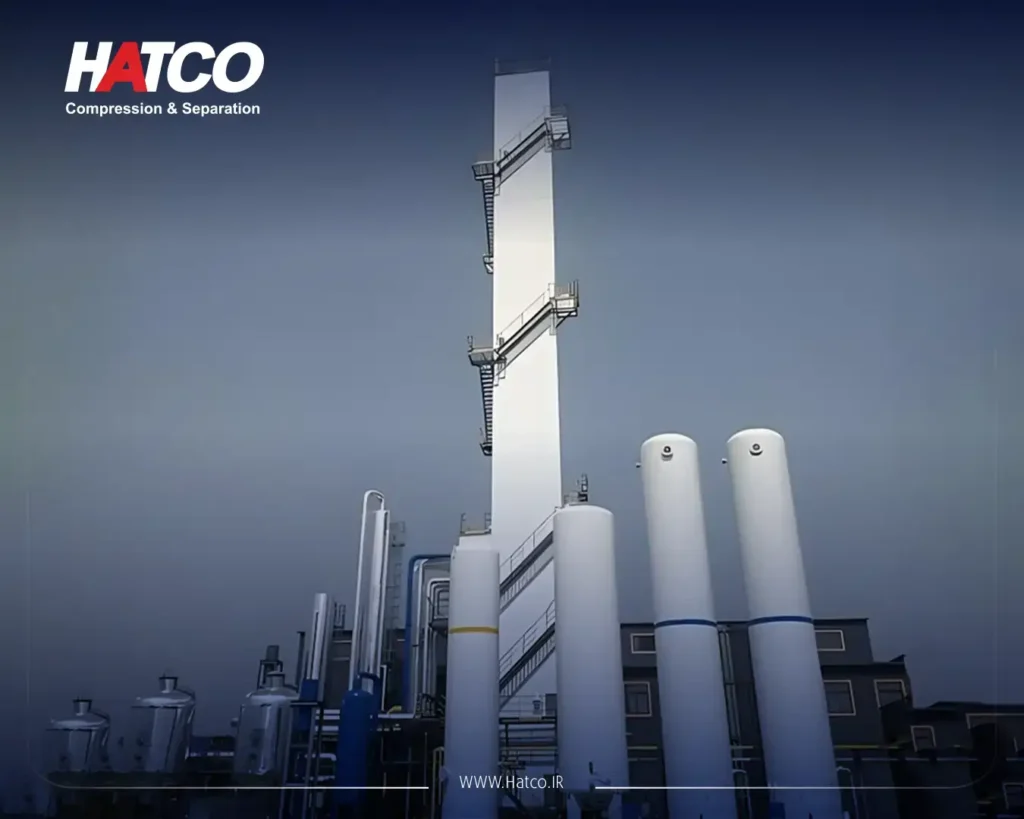
Equally critical is the seamless integration of the PSA nitrogen generation package into the facility’s existing compressed air infrastructure, because the quality, stability, and reliability of feed air supplied to the adsorption vessels directly determine the achievable nitrogen purity, adsorbent lifespan, energy efficiency, and maintenance frequency of the entire system, which is why high-performance upstream air treatment configurations incorporating multi-stage particulate filtration, coalescing oil removal filters, activated carbon absorbers, refrigerated dryers, or heatless desiccant dryers are typically engineered to achieve ISO 8573-1 Class 1 or superior compressed air quality standards capable of eliminating oil aerosols, water vapor, hydrocarbons, and microscopic particulates that could otherwise poison the Carbon Molecular Sieve material, obstruct adsorption pathways, degrade separation performance, or trigger costly premature replacement of critical process components.
The electrical integration aspect of installation likewise demands comprehensive engineering analysis because nitrogen generation systems often involve substantial power requirements associated with air compressors, refrigeration equipment, automated valves, PLC systems, instrumentation networks, and auxiliary cooling devices, necessitating properly sized electrical feeders, motor starters, variable frequency drives, grounding systems, surge protection devices, and backup power strategies capable of accommodating peak startup currents, transient load fluctuations, and continuous operational demands without introducing voltage instability or electrical disturbances that could compromise automation reliability or interrupt nitrogen production during sensitive industrial processes where uninterrupted inert gas availability is essential for product quality, equipment protection, or safety-critical operations.
Once physical installation and utility integration have been completed, the commissioning phase represents an exceptionally important transitional stage during which the PSA nitrogen generation package undergoes comprehensive functional verification, calibration, optimization, and performance validation procedures intended to ensure that every subsystem operates precisely in accordance with design specifications under both nominal and variable process conditions, including detailed testing of adsorption and desorption cycle sequencing, valve actuation timing, pressure equalization routines, oxygen analyzer calibration, flow regulation stability, compressor efficiency, dew point performance, emergency shutdown logic, alarm functionality, and communication interfaces with plant supervisory control systems, all of which must be carefully synchronized and documented to establish a reliable operational baseline prior to full-scale production deployment.
During commissioning, engineers frequently conduct extensive performance trials across a wide range of flow rates, purity targets, and pressure conditions in order to evaluate the dynamic responsiveness of the system under realistic operational scenarios that may include sudden demand surges, fluctuating downstream consumption patterns, intermittent production cycles, or varying environmental temperatures, while simultaneously collecting detailed operational data regarding oxygen residual levels, nitrogen recovery rates, specific energy consumption, purge efficiency, and pressure stability so that cycle parameters can be fine-tuned to achieve the optimal balance between purity, production capacity, and energy efficiency tailored specifically to the end-user’s process requirements and long-term operational priorities.
Operator training constitutes another indispensable component of successful PSA nitrogen generation package deployment because the sophistication of modern systems equipped with advanced automation capabilities, remote monitoring platforms, predictive diagnostics, and intelligent control algorithms necessitates that plant personnel possess a comprehensive understanding not only of routine operational procedures but also of process fundamentals, troubleshooting methodologies, alarm interpretation, maintenance protocols, and emergency response strategies required to sustain safe and efficient system performance throughout the equipment lifecycle, with training programs often encompassing practical instruction related to monitoring filter differential pressures, verifying condensate drain functionality, assessing compressor lubrication conditions, interpreting purity analyzer trends, managing startup and shutdown sequences, and recognizing early warning indicators associated with valve wear, adsorbent degradation, or compressed air contamination issues before such conditions escalate into costly operational failures or extended production interruptions.
Preventive maintenance strategies for PSA nitrogen generation systems are likewise designed with a strong emphasis on reliability-centered maintenance principles intended to maximize uptime while minimizing lifecycle costs through systematic inspection, servicing, and replacement of consumable components according to operating hours, environmental severity, and manufacturer recommendations, including periodic replacement of pre-filtration and coalescing filter elements, calibration of oxygen analyzers and pressure transmitters, inspection of pneumatic actuators and switching valves for leakage or response degradation, verification of dryer performance and dew point stability, compressor overhaul scheduling, and long-term assessment of Carbon Molecular Sieve condition through performance trending and purity recovery analysis, since gradual adsorbent aging or contamination can subtly reduce nitrogen production efficiency over time if not proactively identified and addressed through predictive maintenance methodologies supported by historical operational analytics and real-time process monitoring technologies.
The increasing digitalization of industrial operations has also profoundly influenced the evolution of operational best practices associated with PSA nitrogen generation technology, as contemporary systems now frequently incorporate Industrial Internet of Things (IIOT) connectivity, cloud-based monitoring dashboards, remote diagnostic capabilities, machine learning-driven predictive maintenance algorithms, and cybersecurity-enhanced communication architectures that collectively enable operators, maintenance teams, and equipment manufacturers to continuously evaluate system health, identify inefficiencies, predict component failures, optimize cycle timing, and implement data-driven operational improvements with unprecedented accuracy and responsiveness, thereby significantly reducing unplanned downtime, improving energy utilization efficiency, and extending the functional lifespan of critical process assets within highly competitive industrial production environments increasingly focused on digital transformation and smart manufacturing initiatives.
Looking toward the future, the continued advancement of PSA nitrogen generation technology is expected to be shaped by an extraordinary convergence of material science innovation, automation engineering, energy optimization research, and sustainability-driven industrial policy initiatives that are collectively accelerating the development of next-generation systems featuring enhanced Carbon Molecular Sieve formulations with superior adsorption selectivity and mechanical durability, ultra-fast switching valve technologies capable of reducing pressure equalization losses, adaptive AI-powered process control algorithms capable of autonomously adjusting operating parameters in real time based on consumption forecasting and environmental conditions, hybrid purification architectures integrating PSA, membrane separation, and catalytic deoxygenation technologies for ultra-high-purity nitrogen applications, and advanced energy recovery systems designed to capture and reutilize thermal and pneumatic losses that would otherwise diminish overall operational efficiency.
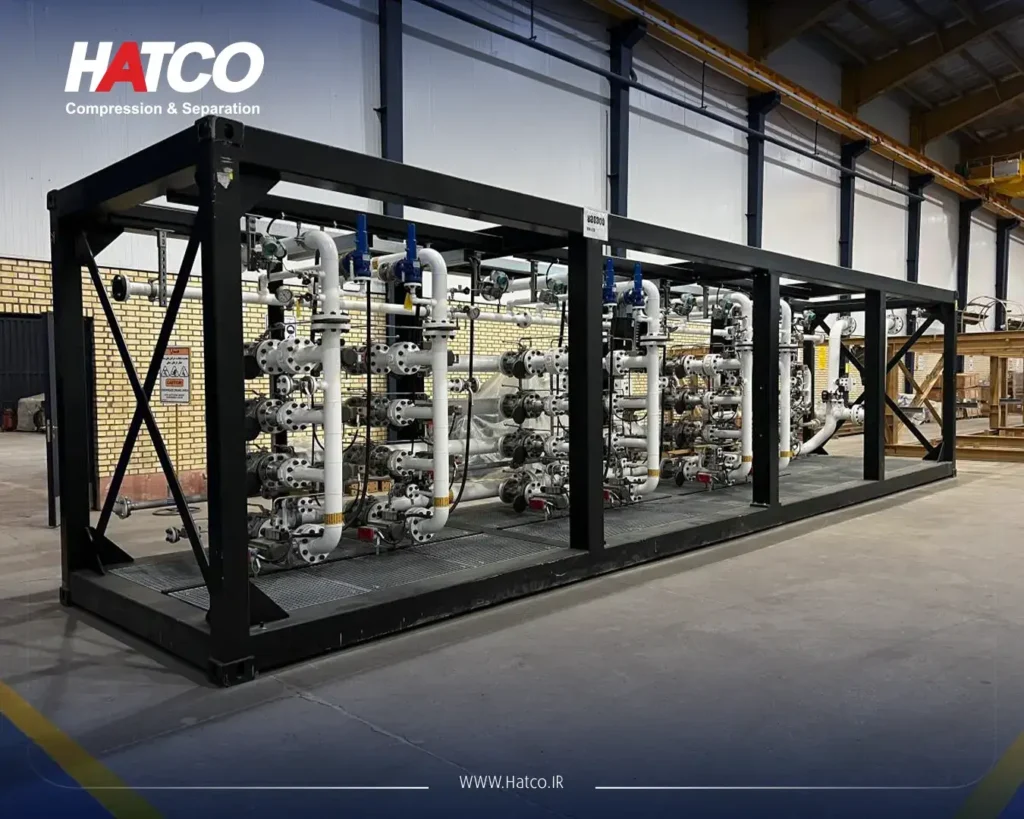
Furthermore, the emergence of modular and containerized PSA nitrogen generation solutions is revolutionizing deployment flexibility by enabling rapid installation within remote industrial operations, offshore energy platforms, temporary construction sites, disaster recovery zones, military facilities, and rapidly expanding manufacturing campuses where conventional gas supply logistics may be prohibitively expensive, unreliable, or environmentally unsustainable, while simultaneously supporting scalable expansion through plug-and-play modularity that allows organizations to incrementally increase nitrogen production capacity in alignment with evolving operational requirements without undertaking extensive infrastructure redesign or disruptive facility modifications.
These technological and operational advancements collectively reinforce the growing recognition that PSA nitrogen generation packages are evolving far beyond their historical role as simple utility systems and are instead becoming strategically integrated components of resilient industrial infrastructure capable of supporting energy independence, operational continuity, sustainability objectives, digital manufacturing transformation, and long-term economic competitiveness in an increasingly interconnected and resource-conscious global industrial landscape where secure access to high-purity nitrogen is essential for maintaining productivity, product quality, regulatory compliance, and technological innovation across virtually every major sector of modern industry.
Conclusion and Strategic Recommendations
Ultimately, Nitrogen Generation Packages based on PSA technology are no longer viewed merely as auxiliary gas supply systems, but as strategic industrial infrastructures that directly contribute to operational continuity, energy optimization, process reliability, and long-term sustainability objectives. As industries move toward smarter manufacturing ecosystems, stricter environmental frameworks, and higher expectations for process safety and efficiency, the demand for flexible, high-purity, and on-site nitrogen generation solutions continues to accelerate across sectors such as oil & gas, petrochemical, steel, power generation, food processing, pharmaceuticals, and advanced manufacturing.
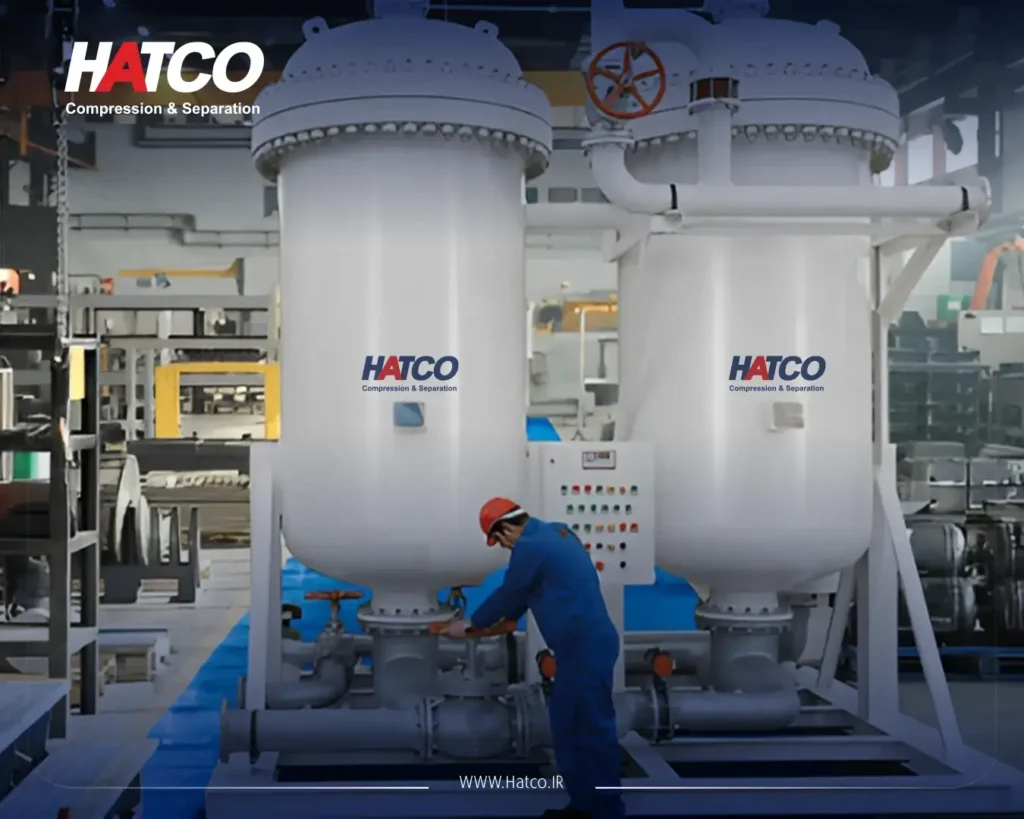
From HATCO’s perspective, the future of industrial gas systems lies in integrated, intelligent, and scalable engineering solutions capable of adapting to evolving production environments while minimizing operational risks and lifecycle costs. PSA-based nitrogen generation packages provide precisely this balance by combining operational autonomy, reduced dependency on external gas logistics, lower carbon footprint, enhanced safety standards, and optimized energy performance within a compact and highly reliable platform. By leveraging advanced engineering expertise, industrial process knowledge, and a forward-looking approach toward sustainable industrial development, HATCO continues to position nitrogen generation technologies as more than a utility system — but rather as a critical enabler of resilient, efficient, and future-ready industrial operations. In an era increasingly defined by decarbonization, operational agility, and industrial digitalization, investing in PSA nitrogen generation infrastructure represents a strategic step toward achieving both immediate operational excellence and long-term competitive advantage


User Comments